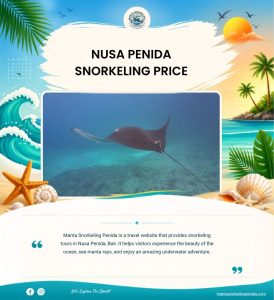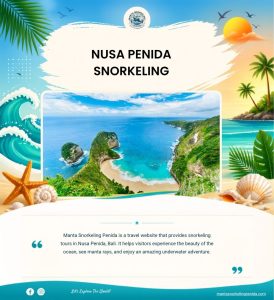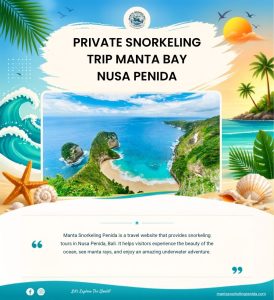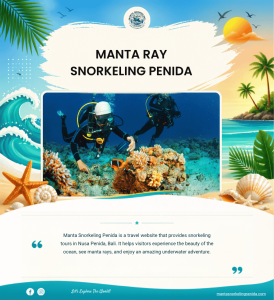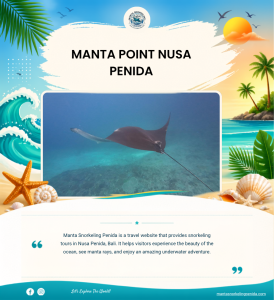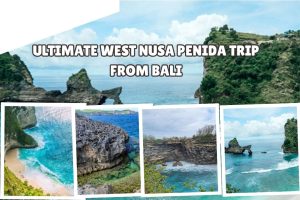
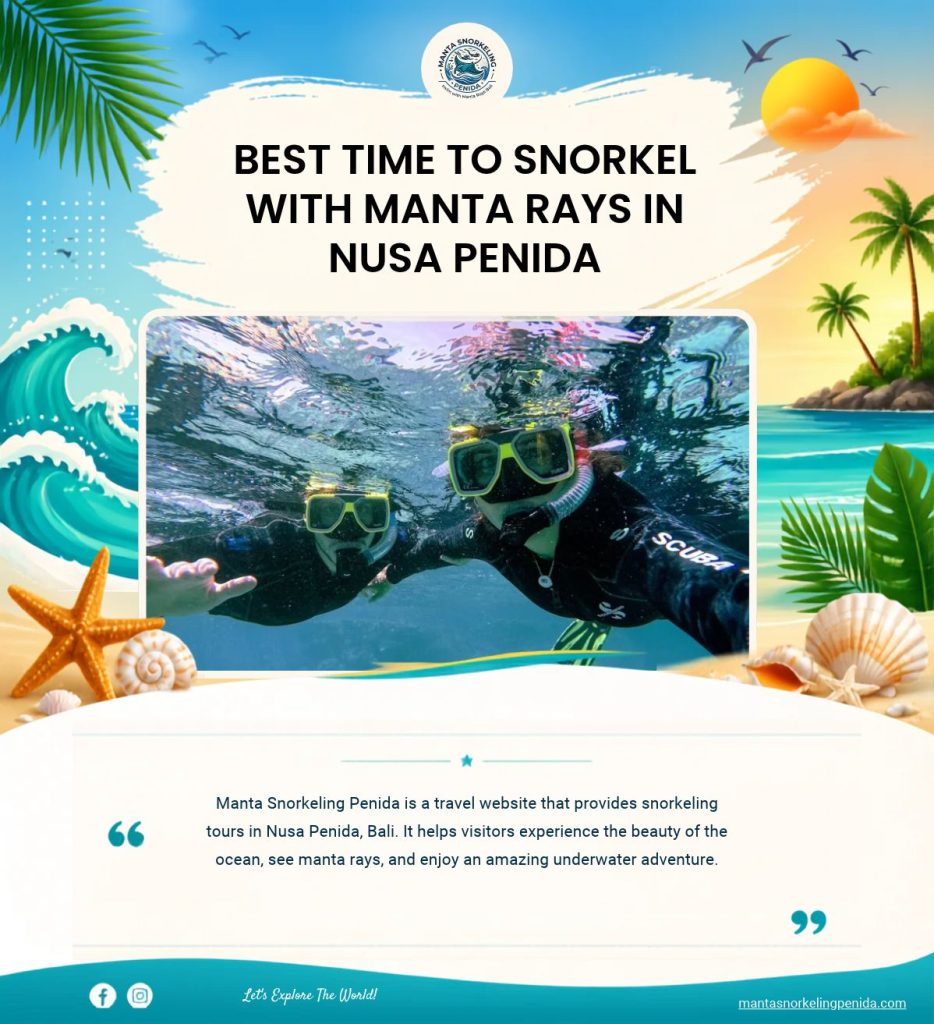
The Best Time To Snorkel With Manta Rays In Nusa Penida does not depend on one strict manta season. Reef manta rays occur around Nusa Penida throughout the year. However, sea conditions, weather, currents, and safe access strongly influence each snorkeling trip. Therefore, travelers should combine seasonal planning with a recent marine forecast before booking.
Scientific observations from the Nusa Penida Marine Protected Area recorded manta rays at Manta Point and Manta Bay throughout the year. Moreover, Indonesia Travel identifies Manta Point as one of Nusa Penida’s established snorkeling locations.
What Is the Best Time To Snorkel With Manta Rays In Nusa Penida?
The best time to snorkel with manta rays in Nusa Penida combines year-round manta presence with suitable sea conditions. Although researchers recorded reef manta rays throughout the year, weather and ocean access change seasonally. Therefore, travelers should avoid treating any single month as a guaranteed “manta season” and prioritize safe snorkeling conditions instead.
Research covering 5,913 sightings between 2012 and 2018 found year-round manta activity at Manta Point and Manta Bay. Interestingly, researchers observed an approximately twofold increase in sightings per unit effort at Manta Point in May. They also recorded peak courtship activity around April and May. However, these findings describe manta behavior rather than guaranteed tourist encounters.
Can You See Manta Rays in Nusa Penida Year-Round?
Yes, researchers have documented reef manta rays in Nusa Penida throughout the year. Manta Point and Manta Bay serve different ecological functions, which helps explain their continued importance to the local manta population. Nevertheless, wildlife movements remain natural, so no responsible snorkeling operator can promise that every tour will encounter manta rays.
At Manta Bay, researchers frequently observed feeding behavior. Meanwhile, Manta Point mainly supported cleaning, social, and reproductive activity. Consequently, both locations can provide opportunities to observe manta rays, but each site offers a different ecological setting.
Which Months Are Best for Manta Snorkeling in Nusa Penida?
Travelers often prefer drier periods because lower rainfall can make trip planning more predictable, but no fixed calendar guarantees calm seas. BMKG data show that Bali’s seasonal timing changes from year to year. Therefore, travelers should use seasonal patterns for broad planning and check an updated marine forecast immediately before departure.
| Period | Practical Consideration | Manta Perspective |
|---|---|---|
| April–May | Transition toward drier conditions may improve trip planning | Research found higher Manta Point sightings in May and peak courtship around April–May |
| Drier months | Often useful for advance planning | Mantas still behave naturally; sightings remain uncertain |
| Rainier months | Weather can reduce access on some days | Mantas can still occur because Nusa Penida supports them year-round |
| Any month | Daily swell, wind, and currents matter | Wildlife behavior ultimately determines the encounter |
Dry Season for Manta Snorkeling
BMKG’s Bali climate information shows that the start of the dry season can shift between years and climate zones. For example, its 2025 seasonal outlook placed Nusa Penida among areas entering the dry season in April. Therefore, travelers should avoid assuming that one permanent date marks the start of ideal snorkeling every year.
Rainy Season and Sea Conditions
Rainy-season travel does not automatically eliminate the possibility of seeing manta rays. However, stronger weather systems can affect boat access and snorkeling comfort. In fact, the scientific study noted that northwest monsoon conditions reduced survey access during December and January.
What Is the Best Time of Day to Snorkel With Manta Rays?
No scientific evidence establishes one universal hour that guarantees better manta snorkeling in Nusa Penida. Instead, travelers should prioritize suitable ocean conditions and follow local guide recommendations. Researchers describe cleaning at Manta Point as regular daytime behavior, but their findings do not support a guaranteed morning or afternoon viewing window.
Therefore, choosing an early tour solely because someone claims that “mornings always have more mantas” would oversimplify the evidence. Instead, ask the operator about current swell, wind, currents, and the safest available itinerary.
How Do Weather and Ocean Conditions Affect Manta Sightings?
Weather and ocean conditions influence access, comfort, visibility, and the route that snorkeling boats can safely follow. Therefore, daily conditions may matter more to your actual experience than the month printed on your travel calendar. BMKG publishes marine forecasts that include wind, wave height, currents, visibility, and tides for Nusa Penida.
Before departure, travelers should check the latest forecast and follow the crew’s decision if conditions require an itinerary change. Moreover, Manta Snorkeling Penida advises travelers to account for weather and sea conditions when planning manta snorkeling activities.
Which Site Should You Choose?
Manta Point generally suits travelers who want to focus on manta cleaning and social behavior, while Manta Bay has shown stronger associations with feeding activity. However, neither location guarantees a sighting. Therefore, the better site depends on daily conditions, wildlife movement, safe access, and the itinerary your local guide recommends.
The scientific study found cleaning as the dominant recorded behavior at Manta Point, while manta rays primarily foraged at Manta Bay. Moreover, Indonesia Travel recognizes Manta Point as a snorkeling location on Nusa Penida’s southern side.
How Should You Plan Your Trip?
Plan your manta snorkeling trip around flexibility rather than a guaranteed wildlife schedule. First, choose a reputable local operator. Next, review the latest marine forecast close to departure. Finally, remain open to route changes because responsible guides may adjust snorkeling locations when wind, swell, currents, or other safety factors change.
Manta Snorkeling Penida offers manta-focused and multi-spot snorkeling experiences from Bali. The brand also provides snorkeling equipment, local guidance, GoPro documentation on relevant packages, and optional hotel transfers according to its current package information.
For current availability and the most suitable itinerary, contact:
WhatsApp / Phone: +62 877-6156-4503
Email: gorillaadventuresbali@gmail.com
Ask the team about current sea conditions before booking. Ultimately, the best manta experience comes from combining the right season, suitable daily conditions, responsible wildlife expectations, and guidance from a local team that understands Nusa Penida’s waters.